With the blazing sun beating mercilessly down upon our uncovered heads, we perched ourselves in staggered formation, one on top of the other, leaning against the railing at the viewing platform at the Miraflores Locks. A ringing siren signaled to both those conducting the canal crossing and those enamored by watching it that the water level had dropped sufficiently, allowing the locks to begin to open, ever-so-slowly. Along with the other onlookers, we craned our over-tanned necks above and around each other to get a better view of the giant barricades shifting apart from one another, lingering in an ajar position until they fully unfastened. Like the gates of a medieval castle welcoming its heroic knights back home after battle, or a mother opening her arms to embrace a long -lost child, the opening of the locks signaled the passing of a journey. In that moment, a small steam ship filled with tourists sporting brightly colored t-shirts and khaki shorts, sluggishly began to propel forward towards Lake Gatun and the Caribbean Sea. This small boat was followed a few minutes later by a second, considerably greater and more impressive boat, carrying over 100 kg of cargo stored in shipping containers stacked ten-high at a time.
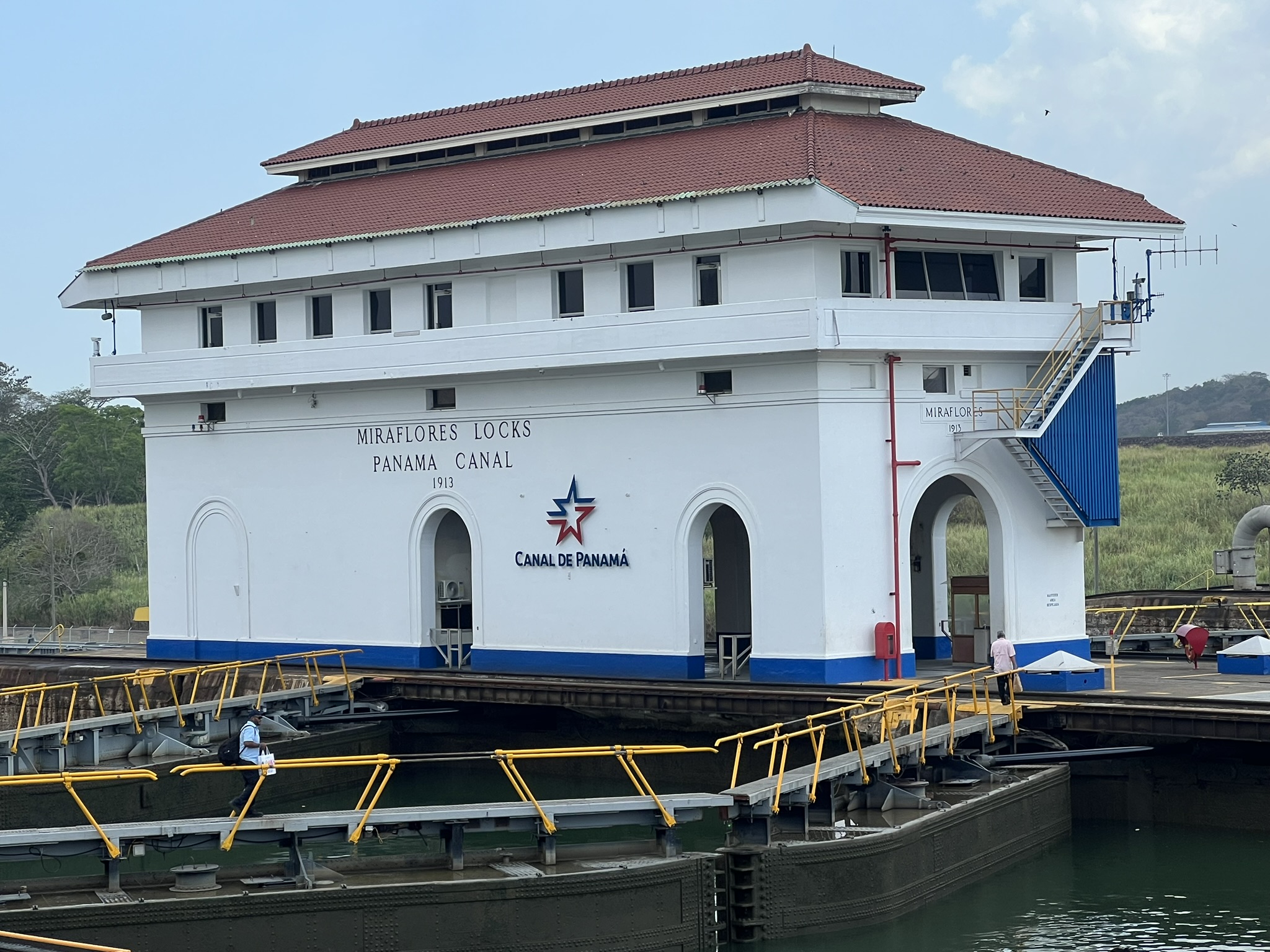
The Panama Canal has long been considered one of the world’s most important crossroads, connecting ships from east and west, and people the world over. Located along the Panama Isthmus between Costa Rica to the North and Colombia to the South, Panama has served as an oasis of cosmopolitanism for international workers, visitors and expats since the middle of the nineteenth century when France first attempted to build a canal here. Having failed in their attempts, the British, and then eventually the U.S. took up the imperial charge, with the completion of the canal taking place on August 15, 1914. The world, however, took little notice, as that was the same day World War I began.
As a teacher, I knew much of this history before arriving in Panama, though it was not really the driving force behind my visit. Desperately in need of a respite from the increasingly tedious routines of middle age, and ever in search of an escape from the deeply fractured political and cultural landscape that has engulfed the United States recently, I wanted a place with beautiful mountain vistas, white-sand beaches, and coral waters; a place where I could experience the vestiges of the past and reconnect with nature- out in the jungle, spotting wildlife, away from my phone, my emails, and presumably, my worries. With continuous news of war, human rights violations, and climate disasters coming in from all parts of the globe, coupled with the onset and ascension of an AI nobody asked for, it was starting to feel as if humanity itself was at a crossroads, and I wanted a brief escape from it all.
To compound the increasing sense of unease I had been experiencing as of late, my life, too, seemed to be approaching a crossroads. Although my mind tried to mask the feeling of being “middle-aged,” my body disclosed a different tale with the wear and tear of increasingly achy muscles and creaky joints, surgical scars, and the fatigue of a body being flung into early Menopause (Yes, ladies, we’re going to name it and talk about it!). This, coupled with the ongoing physical and emotional stress of dealing with an aging parent had me hankering for a diversion, if for only a short time. I wanted Caribbean beaches and dense, jungle mountains; a few days to relax and reconnect with nature. Panama seemed to offer it all. Throw in a worldclass city with an internationally renowned food scene and my ticket was booked.
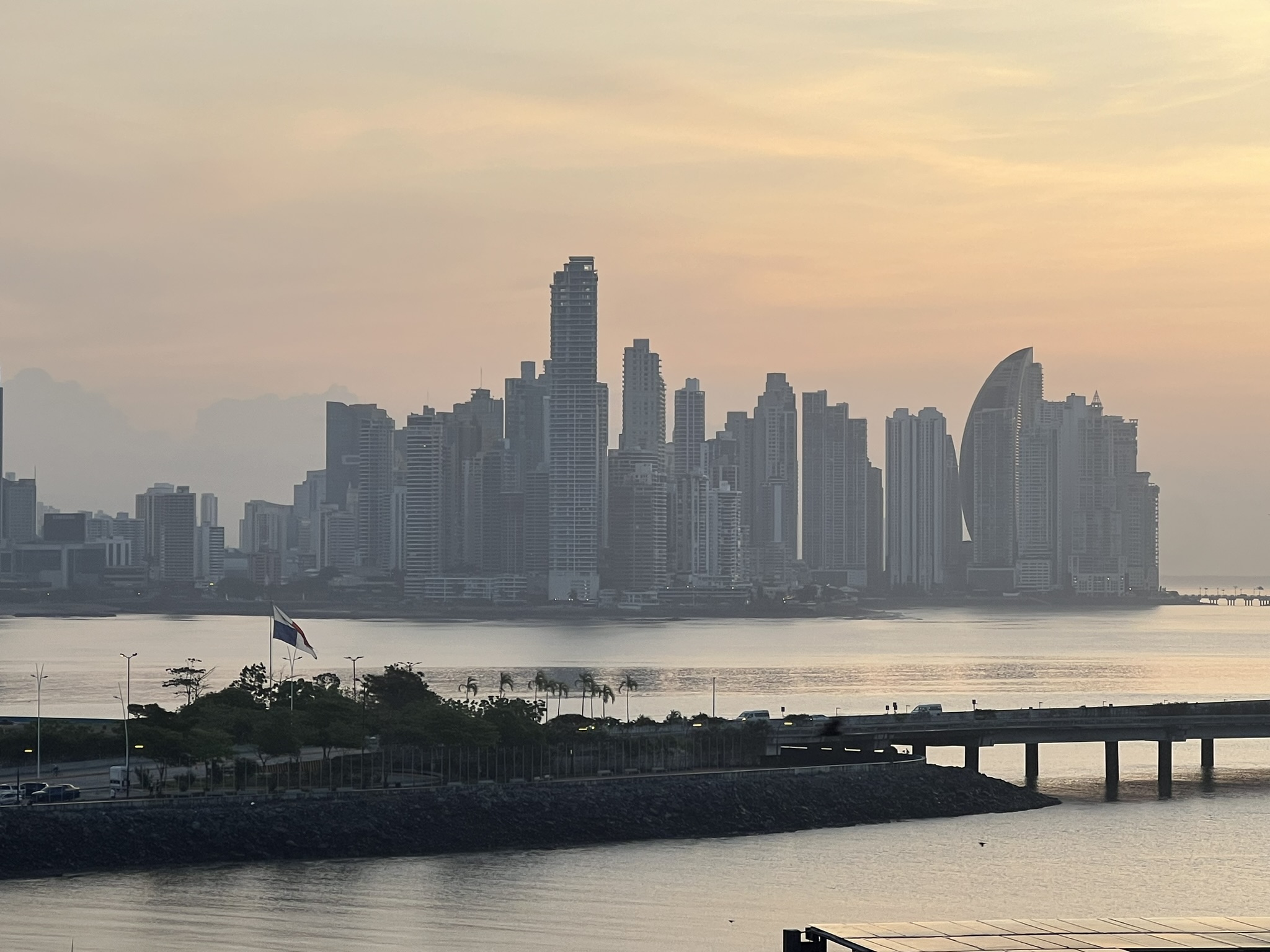
On the day we arrived, as our plane began to descend over the modern skyline of Panama City, I peered out the window. Looming above the Amador waterway, staring down at Ancon Hill and Lake Gatun, I could feel a sense of calmness creep in; a calmness I hadn’t felt in quite some time. It mattered not that we were greeted at the airport by monsoon-like rains pouring down unforgivingly on both the city and our heads, causing make-shift rivers to ferociously rage down the quaint nineteenth century lanes and broad twenty-first century avenues that crisscross the city. It only mattered that I was here in a foreign land, away from life’s difficulties, if only for a brief while.
With only nine days in Panama and a laundry list of sites to see and things to do, we hoped to maximize our time, asking our Uber driver if he could bring us straight from the airport to the Miraflores locks. Much to our disappointment, he informed us that by the time we reached the locks, the giant cargo ships would already have transited through, thus rendering our visit pointless. Somewhat deflated, we instead headed into Casco Viejo to find our hotel, grab a drink, and do a little on-the ground exploration. What we found was a neighborhood that was also at a crossroads.
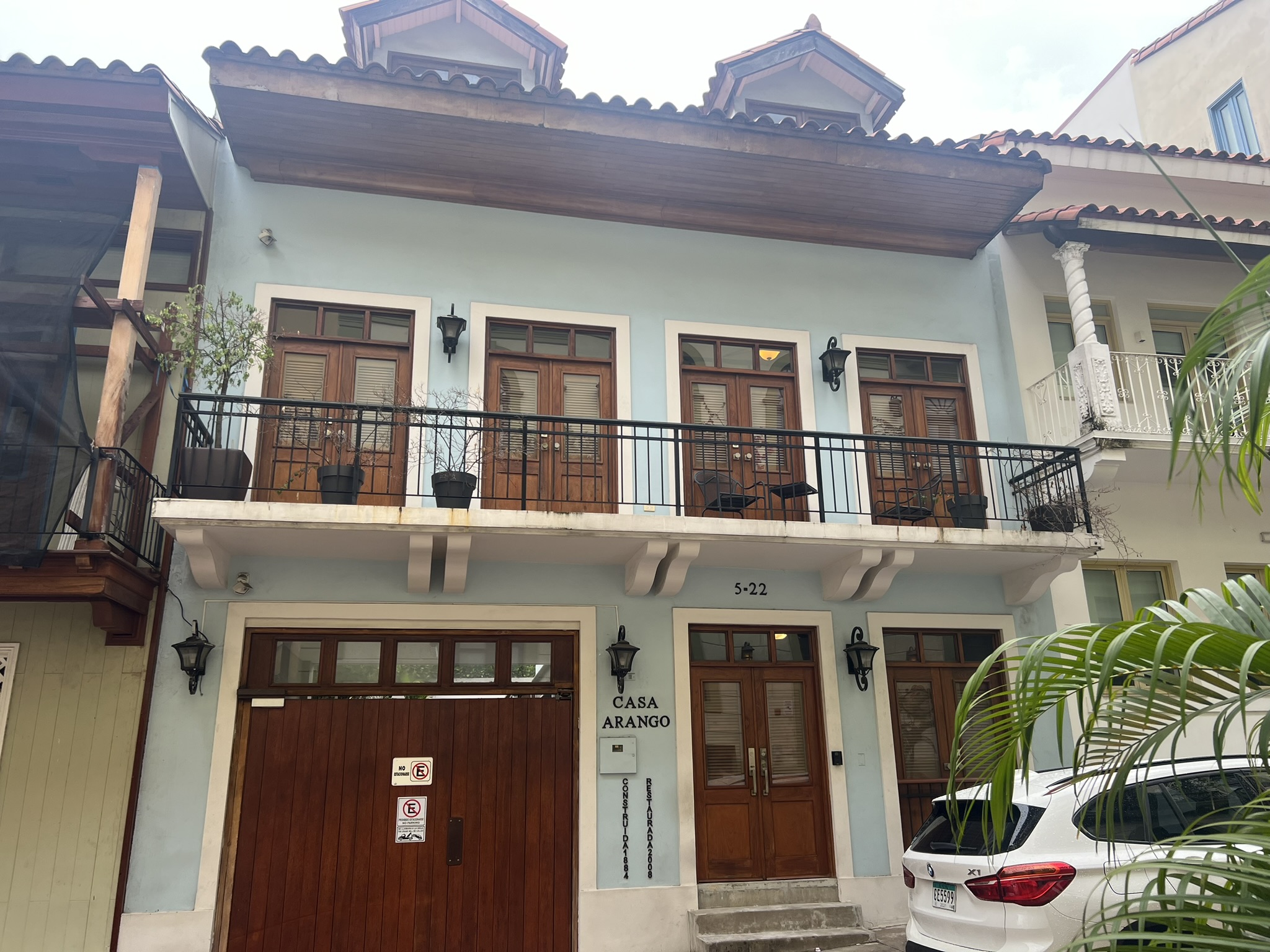
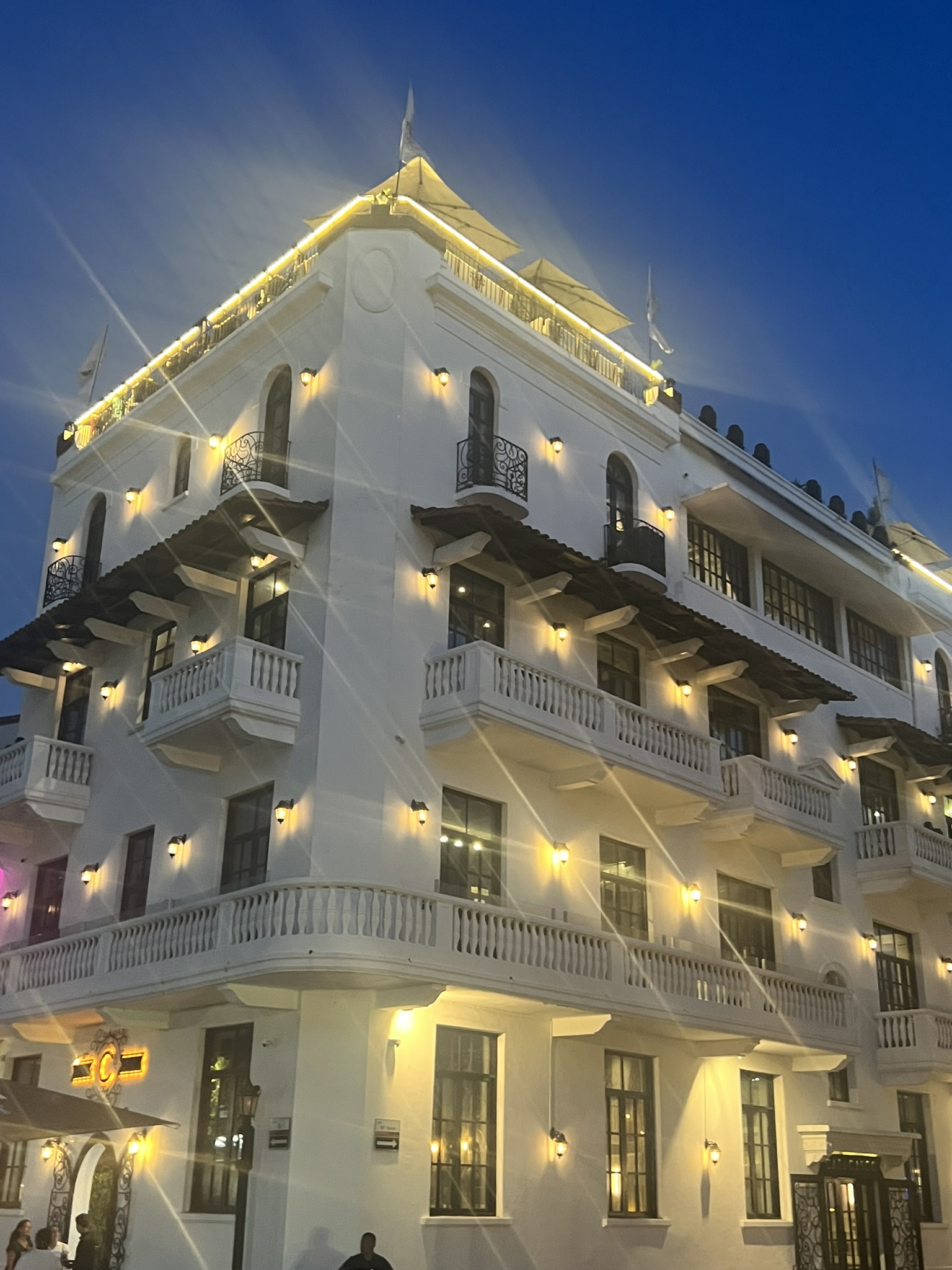
Walking around Casco Viejo, a charming neighborhood located in the Southwest corner of Panama City, one is lulled into the tranquility that comes from transversing picturesque cobblestone streets and verdant plazas surrounded by upscale bars and restaurants. Considered the city-center in the late nineteenth and early twentieth centuries, Casco Viejo is a densely populated neighborhood that houses architectural delights including French colonial buildings with raw-iron gate balconies and European-style cathedrals anchoring the various plazas scattered throughout. After a long period of decay and neglect, thanks in part to public and private funding, Casco Viejo has been marked as an area of revitalization within Panama City, attracting tourists and locals alike. Its recognition by UNESCO as a World Heritage Site is a designation not everyone is happy about, however.
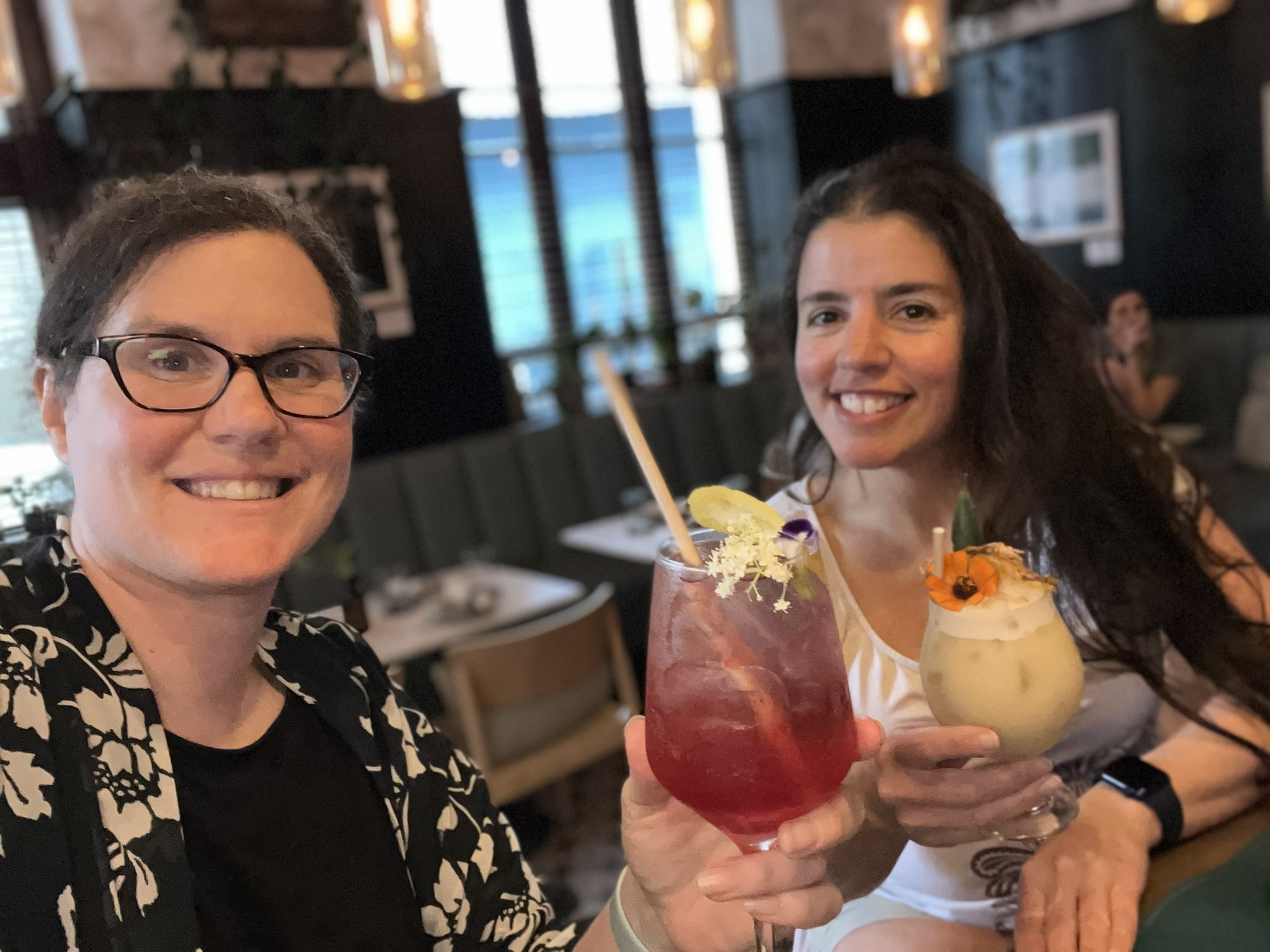
Enjoying an Aperol Spritz at a rooftop bar overlooking Plaza Herrara, one only has to look around, slightly shifting their gaze east to west to see the demarcations of the Casco Viejo of old, and the new, gentrified version aimed at attracting day-trippers from locally docked cruise ships and other tourists visiting the city. On the east end of the plaza, on the first floor of a recently renovated Spanish-style, white stucco building, lies a newly opened Starbucks buzzing with baristas making paradise fruit coolers and iced lattes at prices most locals can’t afford. In a country that produces some of the best coffee in the world, you can’t help but wonder why anyone would come here.

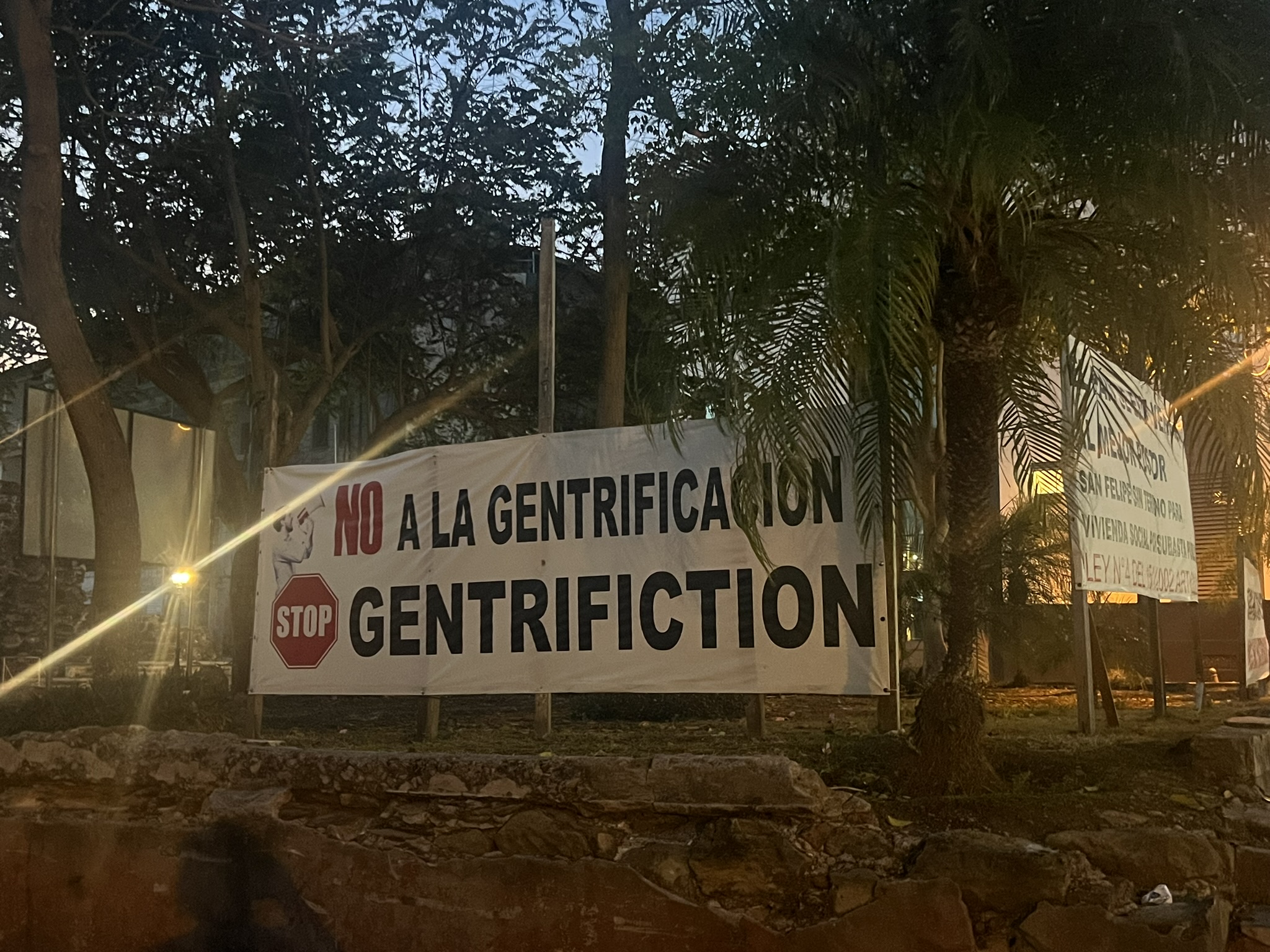
A short walk across the plaza, however, reveals massive signs denouncing UNESCO and gentrification. Lured by these signs and our curiosity, we continue to wander, unknowingly, into El Chorrilo; an allegedly deadly neighborhood characterized by gang violence and poverty. Perhaps it was the sign on a crumbling storefront that said “Sopa de Carne- $3,” or the woman screaming bloody murder as two men seemed to verbally torment her inside her open-faced, brick house, but we instantly knew we needed to move. A few minutes later, I was sipping a Caribbean-inspired drink at another roof-top bar thinking about the identity-crisis facing this old and revered part of the city, fully aware I was part of the problem. What will the future of Casco Viejo hold? Will it go the way of many other old cities throughout the world, becoming a Disneyfied version of itself- a place locals can barely recognize or be welcomed in? Or could it find a way to retain its historic charm without sacrificing authenticity, becoming a place that locals could still live and work in, and enjoy, while tourists continue to visit and bring revenue?
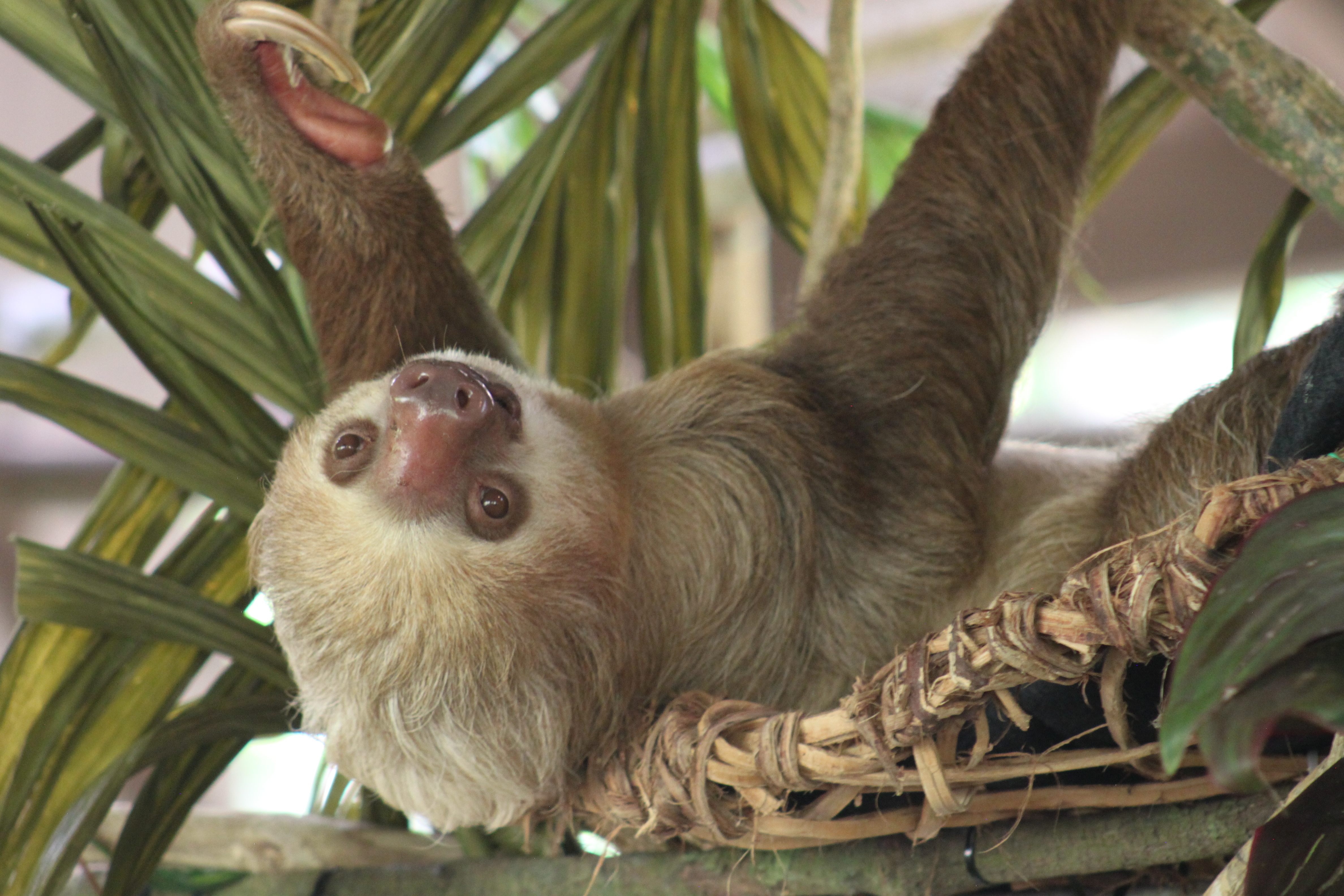
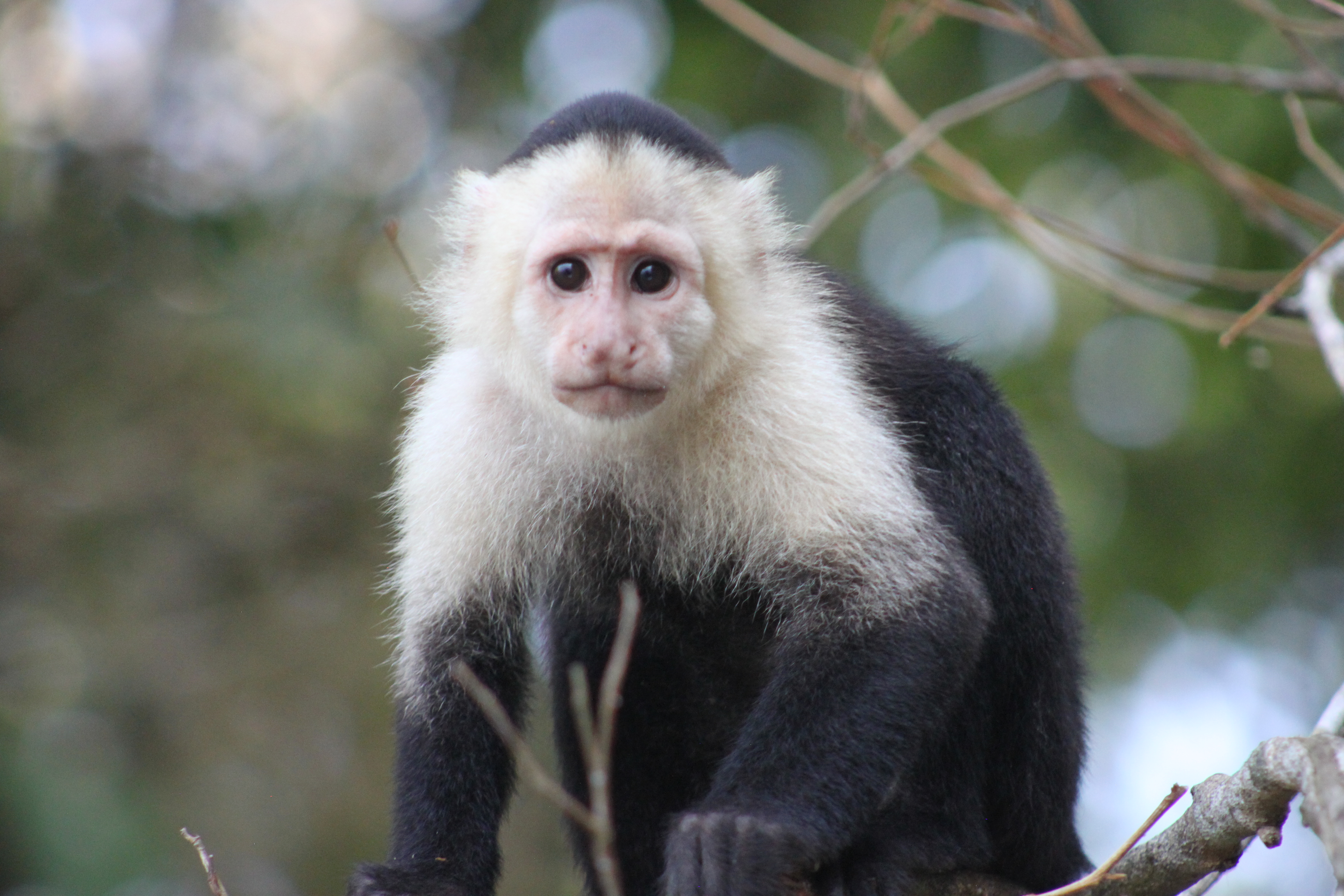
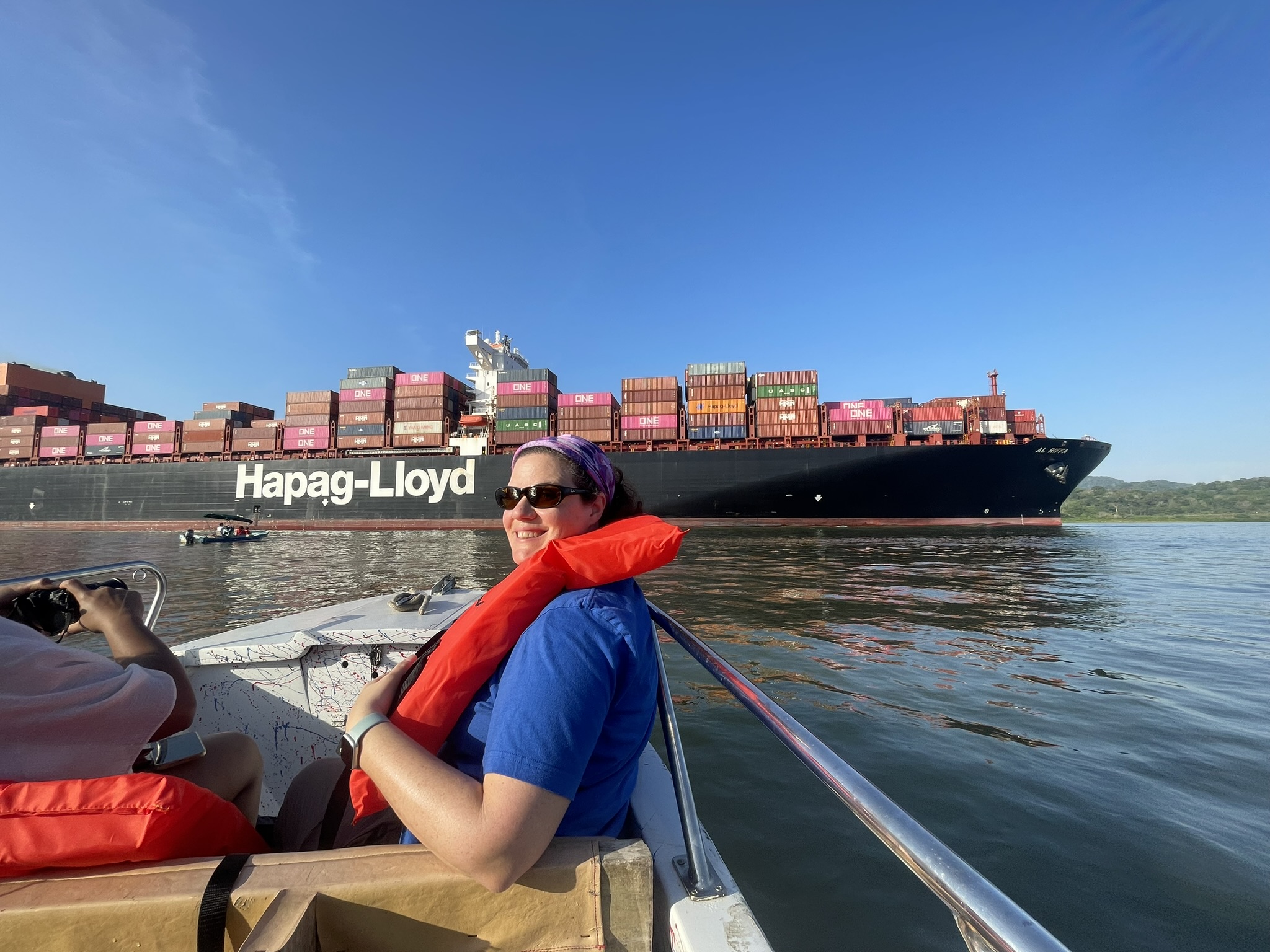
We eventually made it to the Miraflores Locks the next day, but not before taking a boat tour of Lake Gatun. A man-made lake built by forcibly removing and destroying local villages and settlements to make room for the canal, Lake Gatun and the jungle surrounding it, teem with wildlife, including three-toed-sloths, white-faced Capuchin, Howler, and Tamarin monkeys, alligators, and an impressive array of different bird species. As we traveled around the lake in a small, motorized boat, the captain had to repeatedly stop to wait on the large wakes tailing from the back of Cargo ships as they made their way to and from the three different sets of man-made locks that allow the water to rise and fall so that goods can be transported between the Pacific and the Caribbean.

Part of the boat tour includes a visit to a small island dubbed “monkey island” by tour company operators because of the number of white-faced capuchin monkeys that inhabit it. Shortly after the captain marooned the boat on shore, we were enthusiastically greeted by monkeys chowing down on a feast of bananas and nuts, most of which were brought to the island by tourists. But it was mid-afternoon, and the equatorial sun was unrelentingly doing its thing, so we headed back to shore, into the cool sanctuary of our air-conditioned van, enroute to visit a local sloth-sanctuary and butterfly habitat.
By late afternoon, we were back in our rented apartment, finishing eating our leftovers from the night before, with a plan to meet up with Madhu, a young woman from Canada who had been on our tour earlier that afternoon. To save costs, we had proposed splitting an Uber to visit the locks. Crammed into a rusted and clunky old taxi with no air conditioning, breathing in the fumes from our rolled down windows, the thought crossed my mind that perhaps we took our cost-effectiveness too far.
Jockeying for position on the Miraflores Locks visitors’ viewing deck should be an Olympic sport onto itself, but we were finally able to secure a viewing spot along the threaded metal stairs, even if it brought some condemnation from the workers. With two boats in queue to pass through the canal, we had arrived just in time to watch the water-level slowly descend, causing the gates of the lock to slowly open. First in, the passenger ship filled with tourists who paid close to $200 each to sit for eight hours and have the experience of transversing the canal. Second through was a real-life cargo ship with men on board who likely had been out at sea for months. From the balcony of the deck, they happily waved to foolish tourists like us, flailing our hands in the air like kids greeting Mickey Mouse at a Disney parade.
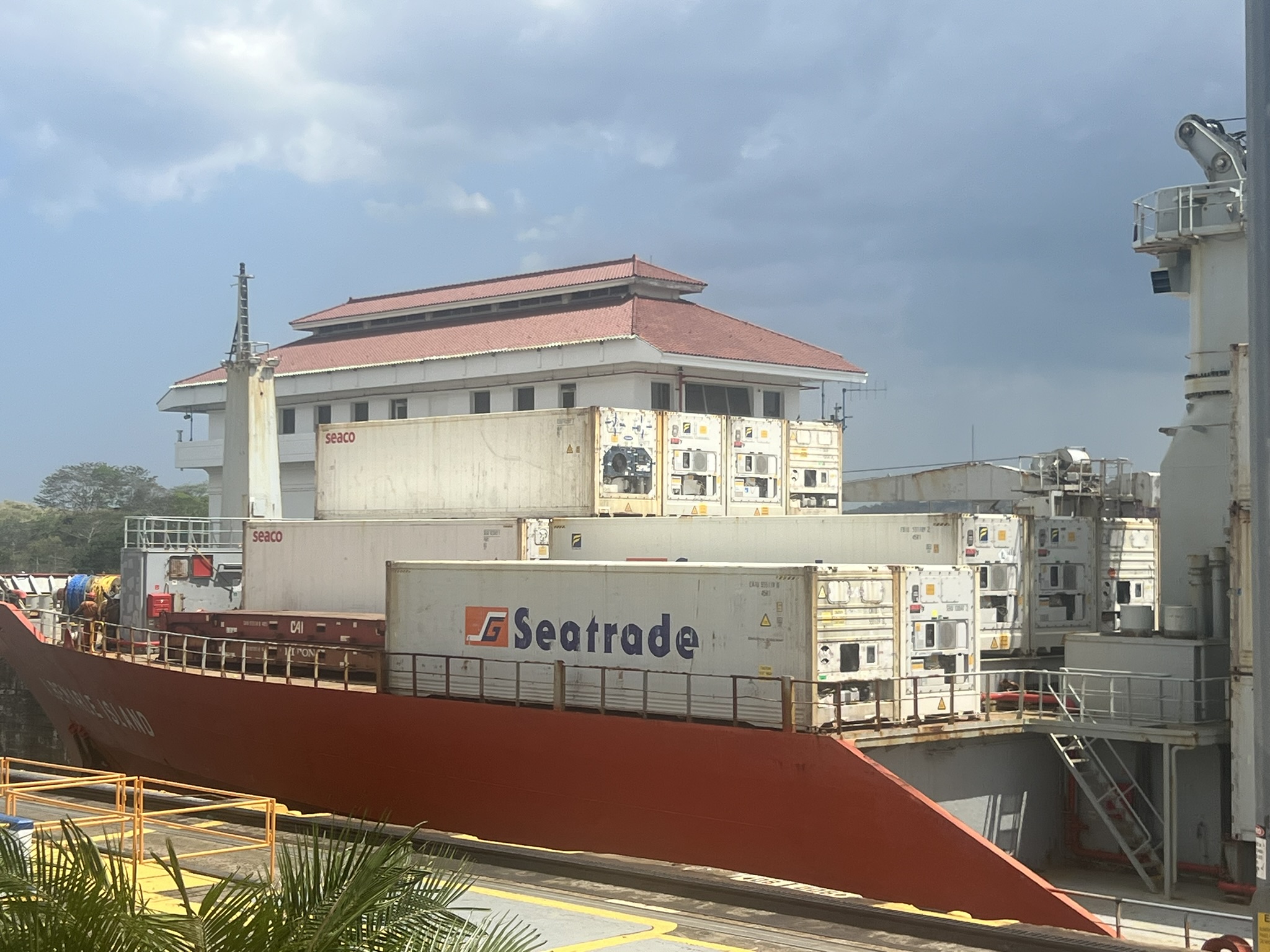
In addition to watching the ships cross through the locks, a ticket to the Miraflores visitor center includes admission to a 30-minute IMAX movie about the making of the canal, narrated by Samuel L. Jackson; a somewhat interesting, but drawn-out documentary that found many dozing off in their seats, unfortunately. Jackson tells the story of how the canal, a marvel of engineering, was built on the backs of thousands of workers, many of whom gave their lives in the process. Throughout the Twentieth century, the Panama Canal became one of, if not the most important crossroads of international trade and has helped to put Panama on the map as a world-class tourist destination.
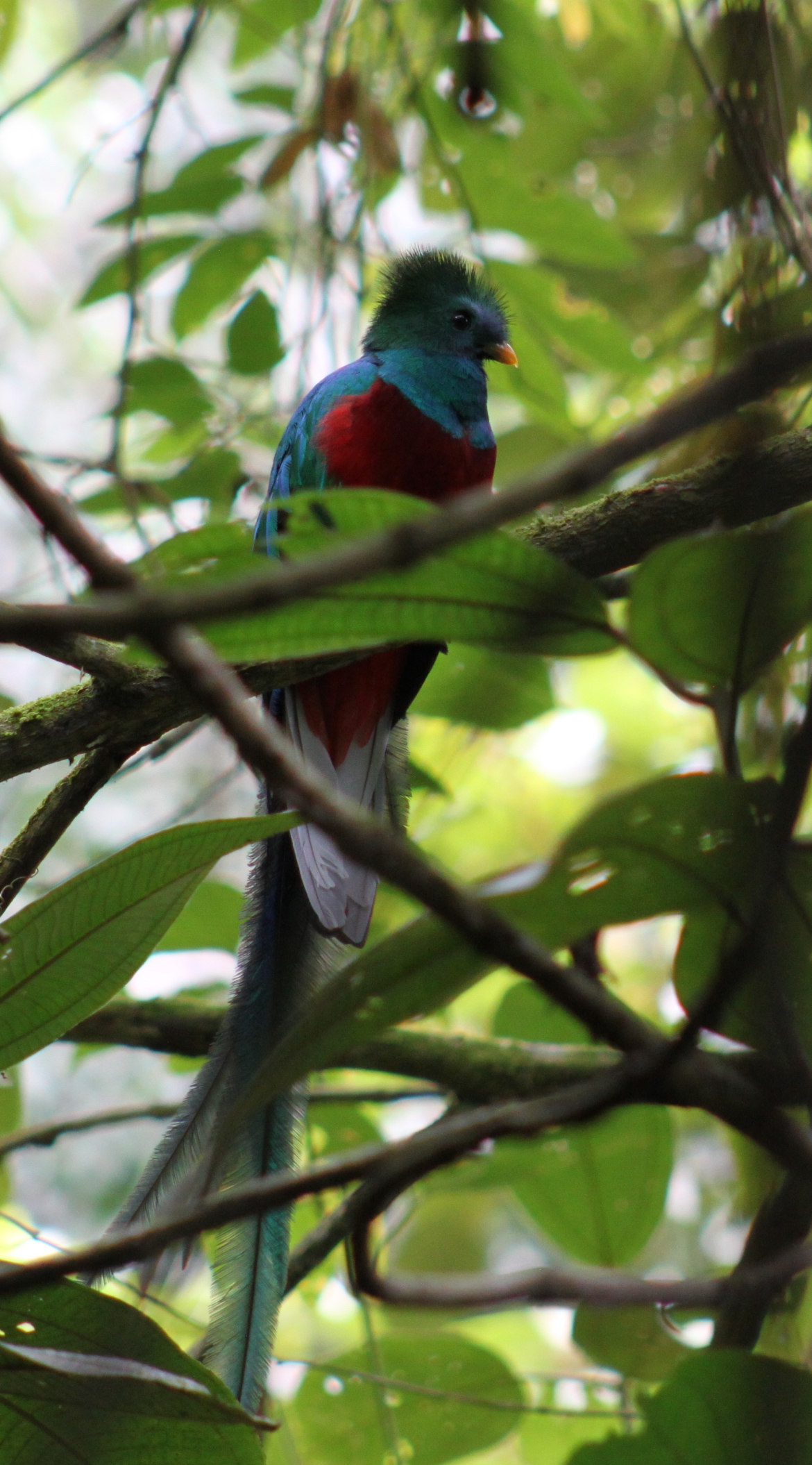
Thoroughly impressed with the canal and the surrounding rainforest, we traveled to Boquete, a small town popular with American expats and outdoor enthusiasts, located among the cloud forests of Chiqiuri province. Exploring the dense jungled hills for a few days, engulfed in the fauna and flora of the surrounding area- monkeys, birds, the elusive Quetzal- I felt alive. Free. I felt myself again. Just as I was settling into the comfortably stimulating routine of travel however, our trip was cut abruptly short with a message from home informing me my dog had injured herself.
On our flight home the next day, I was worried about my dog, worried about how my life was rapidly changing, worried I wouldn’t be able to get home in time, worried the person watching her was angry with me, worried about the money I was losing. Worried, worried, worried. Thoughts of self-doubt began to creep in.
“Was I getting too old for this? “
“Am I losing my freedom to pick up and go wherever and whenever I want?”
So much for escaping it all.
Upon returning home, my dog was completely fine, but I was once again uncomfortably aware that my life was undeniably in the middle of a crossroads; a turn-in the road I wasn’t going to be able to ignore by running away to some far-flung destination. Still, the few days I had away helped a bit, hadn’t they? If nothing else, they helped me re-caliber my perspective on the inevitability of getting older. My short time in Panama, especially visiting the canal and Casco Viejo, helped me to realize we all must accept the transient nature of things. Like a ship crossing from one ocean to another, the currents of my life continue to move with the winds of change, no matter how much I sometimes want to throw down an anchor and make it all halt to a stop. Like those sailors happily waving from the deck of their ship as they crossed through the canal, no doubt exhausted from the ebb and flow of being out to sea all those months, I am hoping to embrace what comes next; to welcome change with a smile on my face as I cross into a new ocean of my life. Just as the worn-down, older buildings of Casco Viejo have found new purpose and beauty in their age, I am realizing that getting older doesn’t necessarily mean shedding one’s vitality and youthfulness, it just means finding it in different ways. Although Panama may not have given me the care-free respite I was looking for, it did help me find perspective, and sometimes, that is the most we can ask of travel.
 travelandmishaps